Showing posts with label boeken. Show all posts

02 April 2026

Douglas Hofstadter argued against the DNA-centric view in his famous book 'Godel, Escher, Bach'

GÖDEL, ESCHER, BACH (1988)

"As development of an organism takes place, can it be said that the information is being "pulled out" of its DNA? Is that where all of the information about the organism's structure reside;

DNA and the Necessity of Chemical Context

In one sense, the answer seems to be yes, thanks to experiments li Avery's [1]. But in another sense, the answer seems to be no, because so much of the pulling-out process depends on extraordinarily complicated cellular chemical processes, which are not coded for in the DNA itself. The DNA relies on the fact that they will happen, but does not seem to contain a code which brings them about. Thus we have two conflicting views on the nature of the information in a genotype. One view says that so much of the information is outside the DNA that it is not reasonable to look upon the DNA as anything more than a very intricate set of triggers, like a sequence of buttons to be pushed on a jukebox; another view says that the information is all there, but in a very implicit form.

Now it might seem that these are just two ways of saying the same thing, but that is not necessarily so. One view says that the DNA is quite meaningless out of context; the other says that even if it were taken out context, a molecule of DNA from a living being has such a compelling inner logic to its structure that its message could be deduced anyway. To put it as succinctly as possible, one view says that in order for DNA to have meaning, chemical context is necessary; the other view says that only intelligence is necessary to reveal the "intrinsic meaning" of a strand of DNA."

Quote from chapter 6 'The Location of Meaning'. 


My copy of Douglas Hofstadter's famous book 'Gödel, Escher, Bach' (Dutch translation, 1985) stood gathering dust on my bookshelf for some 30 years. A few days ago when I was searching for artwork of M. C. Escher in Hofstadter's book, I unexpectedly came across arguments against the 'DNA-centric view' of life. I have blogged about DNA-centrism many times over the past several months. It is extraordinary to find the same ideas you have been developing in a book that was written 47 years ago. As far as I can see, Hofstadter was not participating in an ongoing discussion among biologists about DNA-centrism. He wrote his ideas as part of an investigation of formal languages. DNA was an example of such a language. Probably the two mutually exclusive points of view –'DNA-centric' and 'cell-centric'– did not exist at the time. Likely, mainstream biology was DNA-centric. For example, Hofstadter writes: "Gunther Stent has characterized the nucleus as the 'throne room' of the cell, with DNA acting as the ruler." (page 509). Hofstadter wrote this in passing and without further comment! Stunning remark! If this isn't DNA-centrism, then I don't know what is! Hofstadter accepts it as if it were merely a neutral description of what DNA is. Probably it reflects mainstream scientific thinking at the time.

Hofstadter is a computer scientist and investigated coded messages, and the concept of information and meaning. It appears he had a detailed knowledge of what DNA is and how it functions. In chapter 16 Hofstadter gives detailed description of the structure of DNA, the Genetic code [2], transcription, translation, proteins, Transfer RNA and Ribosomes. Furthermore, he understood that knowing the Genetic Code, that is how a particular DNA sequence is translated in to a protein, is far from sufficient to understand how a genotype is translated in to a phenotype [1]. This truth still holds today! 

An important question for Hofstadter was: 

Where is the meaning of a coded message located? 

Applied to DNA, attempts to answer this question yield important insights. Interestingly, he proposed two possible answers: the intrinsic and extrinsic view of meaning. The intrinsic view means that DNA has 'a compelling inner logic' that enables an intelligent (extraterrestrial) investigator to decode the DNA message. This sounds rather vague. Hofstadter doesn't explain what 'inner logic' means [4], [5]. The extrinsic view is that the meaning of DNA is not stored in DNA itself, but that "extraordinarily complicated cellular chemical processes" are required.

Although he never rejects the intrinsic meaning hypothesis explicitly, I conclude from his statement "extraordinarily complicated cellular chemical processes, which are not coded for in the DNA itself", that he favours the extrinsic view. This is further confirmed by the heading "DNA and the Necessity of Chemical Context" and this (charming!) statement: 

"they [an extraterrestrial civilization] might to try to deduce from its chemical structure what kind of chemical environment it seemed to want, and then supply such an environment." (under the section heading How Universal Is DNA's Message?). (page 183).

Another wonderful statement:

"On the other hand, DNA is itself a passive molecule which undergoes manipulation at the hands of various kinds of enzymes; in this sense, a DNA molecule is exactly like a long piece of data, as well." (page 542) (my emphasis). I love this. This is exactly what I argued on several previous blogs. And: "But most of the 'living' in a cell goes on outside of the nucleus, namely in the cytoplasm..." (page 512). Well said! I fully agree. In other words: DNA is dead, the cell is alive! However, Hofstadter does not note there is a certain degree of contradiction between DNA 'sitting on a throne' and being dead.

Bootstrap problem

Continuing with the intrinsic and extrinsic point of view. There is a problem with the distinction. The tRNAs contain the translation key of DNA to protein. Since the information for producing tRNAs is stored in DNA (necessarily, because it must be inherited), one could say that the meaning of DNA is intrinsic to DNA. That's OK. However, in order for that information in DNA to be used, it must first be read by cellular machinery. Hofstadter is aware of the problem [3]: "... there is no way for the DNA to hoist itself by its own bootstraps. Some amount of knowledge of the Genetic Code must already be present in the cell beforehand." (page 519) (my italics). Excellent remark! Remarkable insight! However, it appears that the concepts intrinsic and extrinsic meaning are ambiguous. In one sense, DNA has an intrinsic meaning because DNA encodes for tRNAs, but on the other hand the meaning is extrinsic because machinery outside DNA is necessary to get the whole process started. In other words: a bootstrap problem [6]. The information is there, but one can not get it out!

Think about this: 47 years ago a smart computer scientist clearly understood that a DNA 'message' is meaningless without its cellular context! So, the cell-centric view is certainly not a modern invention. It was kept alive in the fringes of science. Hofstadter did not fully realize that his anti DNA-centric views contradicted the prevailing view of DNA as 'the Ruler on the throne'. Since Watson and Crick (1953) DNA-centrism has experienced stormy growth. Today, more and more scientists reject the DNA-centric view of life.


Notes

  1. My note: Avery (1944) was the first to demonstrate that DNA and not protein was the vehicle of heredity.  
  2. The Genetic Code table is on page 515. Furthermore: "The curious
    fact is that the Genetic Code is stored-where else?-in the DNA itself.
    " (page 517).
     
  3. quote: "(Warning: Understanding this "language" would not at all be the same as cracking the Genetic Code, something which took place in the early 1960s. ... The cracking of the Genetic Code was a vital step on the
    way to extracting the meaning of DNA strands, but it was only the first on a long path which is yet to be trodden.)
    " page 168.
  4. An argument against the intrinsic meaning of DNA is: the genetic code is a rather arbitrary association of 61 base triplets with 20 Amino Acids and 3 base triplets with STOP signals. Hofstadter did not mention this in this book. But 3 years later, in his 1982 Scientific American "Metamagical Themas" column, titled "Is the genetic code an arbitrary one, or would another code work as well?" Hofstadter argued that the genetic code is not fundamentally dictated by chemical necessity, suggesting that many other codes could theoretically work. (answer by Google AI!). The conclusion must be: there is no compelling logic in DNA. 
  5. A further problem with 'intrinsic meaning': how to find the translation keys in a code script with the length of billions of symbols? The code for the tRNAs are scattered all around DNA and there are many duplicate keys. In other words: how to locate the meaning of DNA?! That's the fundamental question.


Sources

The paperback edition is still available on Amazon. The PDF of the book can be found on several websites, such as this one. I discovered the Dutch translation of the book at my bookshelves, which so it appears was a birthday present. 


Previous blogs


14 March 2026

If the blueprint of the embryo is not in DNA, then where is it? Alfonso Martinez Arias. A very convincing argument for the cell-centric view of life

The Master Builder

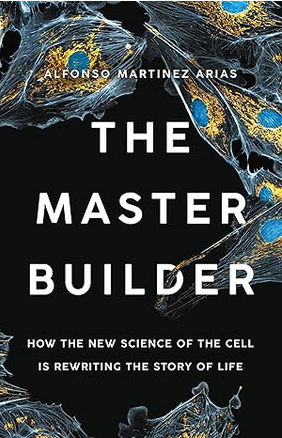
In previous posts I argued that DNA is not the blueprint of life, nor the control center of the cell. But, there must exist some organizing principle. If that is not in our DNA, then where is it? We still need an explanation. The book of Alfonso Martinez Arias (2023) 'The Master Builder. How the New Science of the Cell is Rewriting the Story of Life' was very helpful for me in answering the problem how is an embryo made from a single cell

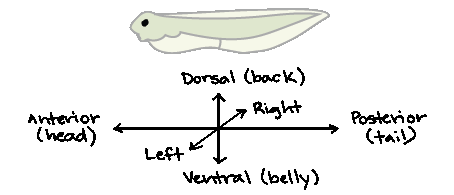
Alfonso Martinez Arias' book is a lengthy and detailed  defense of the cell-centric view of life. His arguments are based on first-hand experience with growing embryos in the lab. After reading this book, I realized that the hardest problem in evolution is neither the origin of species, nor adaptation by natural selection, but: how is an embryo made from a single cell? Without answering this central question, the major evolutionary transition [1] from single cell organisms to multicellular organisms will forever be a mystery. Without going deep into technicalities, I have selected a few important quotes from the book in order to give a sense of why the creation of an embryo out of a single cell is an extraordinary feat. "What a piece of work we are!" A newborn baby is estimated to have approximately 26 billion to 2 trillion cells all originating from a single cell. Imagine a robot constructing itself from a less than a 1 mm sized entity! That does not exist. A crucial milestone in the development of the embryo is the creation of the three body axes:


This is a spatial problem par excellence. The fertilized egg cell has neither a head-tail axis, nor a dorsal-ventral axis, nor a left-right axis. These must be created. All other developments such as the creation of organs in the right positions depend on the body axes. This is the work of cells, which are after all three-dimensional objects contrary to DNA. 
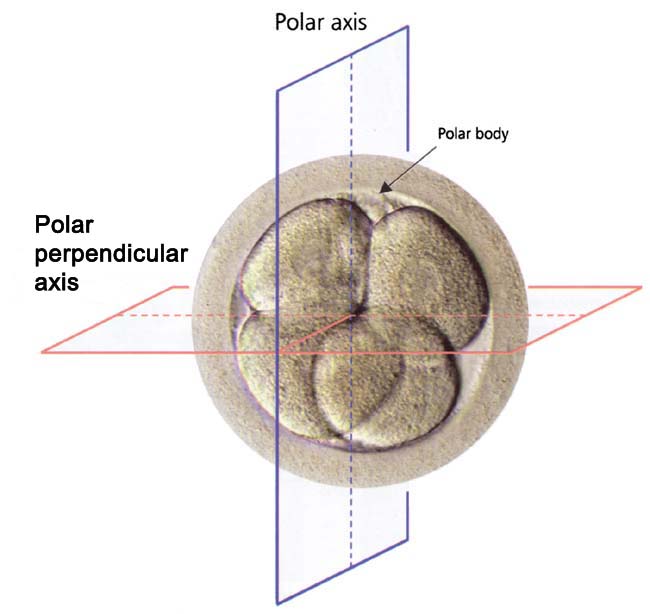
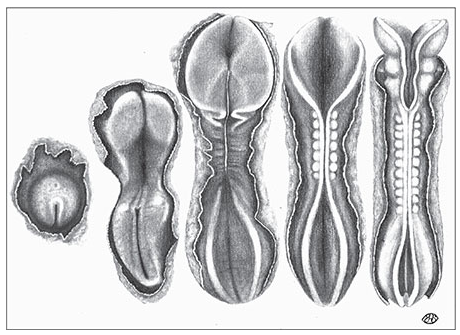
CarnegieStage-2figure-4 (The Virtual Human Embryo).


(illustration not in the book)


Alfonso Martinez Arias convincingly shows that "DNA cannot send orders to cells to move right of left within your body or to place the heart and the liver on the apposite sides of your thorax; nor can it measure the length of your arms or instruct the placements of your eyes symmetrically across the midline of your face. We know this because each and every cell of an organism generally has the same DNA in it. But cells can send orders, measure lengths." "If genes can't tell right from left or middle, they simply can't be responsible for doing everything involved in the making of you and me." 

To get a grip on causes, cells are grown in vitro

"Why do cells behave differently in culture versus in embryo? We found that when embryonic stem cells are left to roam on a Petri dish in certain conditions, they will become different from each other; they generate the different types of cells that make up the embryo but do so in a disorganized manner. If the same cells, with the same genes, are placed in an early embryo, however, they will faithfully contribute to the embryo. Same cells, same genes. So, something other than genes must be involved in making an embryo."

(the above quotes are slightly adapted from the Introduction and the first chapter of the book) 


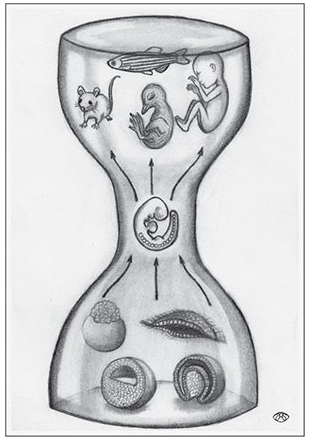
Figure 18: Duboule's hourglass. Chapter 5.
Starting from very diverse forms and going through
a bottleneck of similarity, animals diversify.

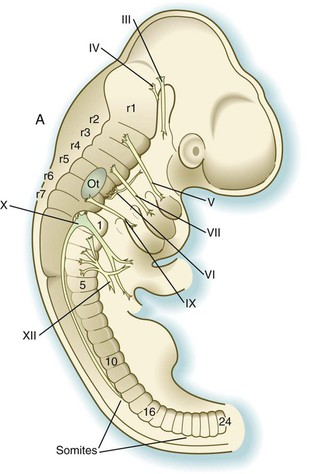
Figure 27. Human embryos from Day 14 to Day 28.

The 'embryo problem' becomes especially urgent when realizing that there is no miniature human being in the egg (preformatism !), so all body parts must be created 'out of nothing' (de novo)!

By placing a fertilized egg in a Petri dish in a lab, cells show what they are capable of outside the natural environment of the mother, and which external triggers are required. These experiments show: 1) that DNA is not enough, and 2) that cell-cell interactions are crucial. 

Growing a human embryo in vitro beyond 13–14 days—approaching the time of gastrulation—presents profound technical challenges, primarily because laboratory conditions cannot fully replicate the complex, dynamic environment of the uterus. While recent research has pushed past the traditional 14-day limit using specialized techniques, standard methods fail because the embryo enters a phase requiring intricate, 3D interactions with maternal tissue, which are difficult to simulate [2].

The limited power of genes

"Identical twins have very similar faces because they share the tools and materials needed to build a face. It's like assembling bookshelves from a store kit: the final products look identical because parts in the kits are identical and adjusted to fit perfectly. ... Someone has to put the pieces together." 

A genome neither creates an organism, nor does software create a computer.  

"If you were to put DNA in a test tube and wait for it to make an organism, it would never happen. Even if you were to add all the ingredients that allow the reading and expression of the information in DNA – the transcription factors, plus some amino acids, lipids, sugars, and salts to help catalyze chemical reactions – it would still never happen. DNA needs a cell to transform its content into a tangible form. An organ or a tissue, and most certainly an organism, is no more the result of the activity of a collection of genes than a house is an aggregate of bricks and mortar." [3].

Tools: 

"Understanding how animal (and plant and fungal) life emerged demands that we see genes not as the instructions or blueprint for an organism but rather as the instructions or blueprints for the tools and materials that cells use to build organisms." (Chapter 3).

"It is the cell that reads, interprets, and translates the tools or signals it is given." (Chapter 5)

Genes are agnostic

The genes are agnostic about anything except the protein that will be made after they're copied into RNA, and the genes that are copied because of signals being communicated between cells based on their environment. (Chapter 5)  [4].

Gene-centric versus cell-centric thinking

"This way of talking about what is happening in cells differs greatly from the language used by geneticists. In their view, genes are the bosses, the engineers, the drivers of the events that decide when and where something happens. Yet, as we can already see, the cells are the ones who count and read signals from their neighbors and assess their position in the community, sensing not only the chemical signals they exchange with each other but also the physics of geometry, tension, pressure, and stress within and across a group." (Chapter 6). 

Faustian bargain

"Cells are allowed to take control of the genome's hardware in order to build and maintain the organism, so long as the cells pass the genome along intact to the next generation through the germ cells: eggs and sperm." (Chapter 7). 

Genes are not ignored!

"It was this idea that inspired me in 2003 to turn my attention away from fruit flies, which I had been working with for fifteen years, to embryonic stem cells." (Chapter 7). Arias has firsthand knowledge of genetics. Genes are not dismissed as unimportant. Genes get their rightful place in the story. Unlike other anti-gene-centric authors such as Denis Noble, Arias is an expert in genetics and developmental biology.


Conclusion

In order to give the reader a general idea of the position of the author, I decided to give striking quotes instead of all the data (which is anyway impossible to do). But I guarantee that the book contains all the details to convincingly substantiate the cell-centrism position. Furthermore, I've included some illustrations from the book to show the topics the author discusses. 

For a geneticist the universe is made of genes, for an embryologist the universe is made of cells. Now it's time for both points of view to be merged.


Notes

  1. John Maynard Smith (1995) The Major Transitions in Evolution.
  2. quote from google-AI. 
  3. Slightly edited quote from Chapter 1 Not in our genes. [IKEA bookcase!]
  4. I like to compare this situation with the Chinese Room experiment. Genes are inside the Chinese room and don't have any idea of what they are doing, and what the symbols mean, they are blindly following rules.


Previous blogs


26 January 2026

Five objections to the selfish gene theory

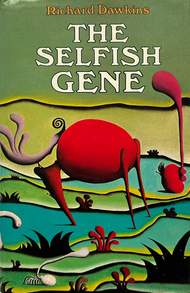
Richard Dawkins (1976) The Selfish Gene

The Selfish Gene Theory in short:

"Thus Richard Dawkins introduces us to ourselves as we really are - throwaway survival machines for our immortal genes. Man is a gene machine: a robot vehicle, blindly programmed to preserve its selfish genes." (blurb from the publisher).

"The replicators which survived were the ones which built survival machines for themselves to live in." [1-4]

Clearly, this is a gene-centric theory of life and evolution. Bodies are temporary throw-away vehicles to replicate genes. Viewed in this way, there are several problems that are not at all, or not adequately addressed in either the popular press or by Dawkins himself.

I have 5 objections:

  1. genes (DNA) cannot build organisms. Genes cannot control the organism. Genes are never active elements in an organism, they cannot do anything. 
  2. the history of life on earth shows a remarkable trend from simple to complex organisms, from single cells to increasingly complex multicellular life forms. This makes no sense from the selfish gene perspective.
  3. repair-DNA genes and enzymes are altruistic genes, not selfish genes.
  4. the selfish gene theory predicts asexual, not sexual reproduction.
  5. the selfish gene theory does predict selfish genes, not cooperative genes. 


-1-

The first objection to the selfish gene theory is that genes cannot act without the help of the cell, and in case of multicellular organisms cannot act without the help of the organism. The central dogma of systems biology reads: The cell reads the DNA code. The cell decides when and which genes to read. The organism ('vehicle' in Dawkins terminology) uses the genes in its genetic library to build itself. DNA itself does not contain a program for building an organism. DNA only contains the code for producing proteins. That's a huge difference. The cell uses the library of genes to look up the exact specification of a protein and synthesizes it. Enzymes transcribe, translate, replicate and repair DNA. The cell has all the resources (building blocks for DNA, machinery, energy) for the transcription, replication, translation and repair of DNA. The cell has the power and ultimate control. DNA 'self-replication' does not exist. The cell replicates DNA with the help of enzymes. That's not all. An even more shocking fact for the reputation of DNA: the cell manipulates DNA. Specific enzymes turn off/on genes by attaching a methyl group to the DNA base Cytosine (methylation) or removing a methyl group (demethylation). So, genes do not turn themselves on/off. It is clear by now: DNA on its own is totally helpless. DNA is a dead molecule. DNA never initiates anything. DNA never leaves the cell nucleus. How could DNA be a cause?

But enzymes are helpless too, in the sense that they are unable to replicate themselves. They need the specific information encoded in genes to get synthesized. So, genes and enzymes are interdependent. Their very existence depends on each other. It makes no sense to single out one component of a system as being 'selfish'. If there are selfish genes, one could as well say, there are selfish enzymes. Those enzymes, for example: DNA-replicases, helicases, primases and ligases, want to replicate DNA, because their own specification is encoded in that DNA. So, indirectly those enzymes ensure their existence in the next generation. If genes are immortal, so are enzymes. Again: it makes no sense to single out one component of a system as being 'selfish' or as being 'the cause', or as being 'immortal'.

(this paragraph has been improved Jan 31) 


-2-

The second objection starts with an uncontroversial observation: the earth is populated by complex bodies. If selfish genes want to maximize the number of copies in the next generation, and use bodies as temporary vehicles, why do we see highly complex vehicles instead of relatively simple single cells? (bacteria). Single cells leave more descendants in shorter time, so more copies of their genes are produced. A bacterium can multiply in 30 minutes. In contrast, large, complex bodies take longer to grow and leave fewer descendants. What a waste of time! For example, in the human species, the female is only about 20% of the year fertile; it takes 9 months to grow a baby; it takes about ten years for the newborn to reach sexual maturity, and the number of offspring is significantly smaller compared to mice, flies, bacteria. Why are there eukaryotes at all? The selfish gene theory should predict single cells (prokayotes) as the outcome of evolution. [8]

-3-

The third objection is: the existence of DNA-repair genes refutes the idea that genes are selfish. DNA-repair enzymes repair DNA replication errors. They repair errors in all genes, irrespective of what the genes 'do', if anything. They do not do what one would expect of 'selfish genes': selfishly and selectively repair errors in their own genes. Repair enzymes are blind with respect what the genes 'do'. Hence, DNA-repair genes behave altruistically. This is a new and profound objection to the selfish gene theory.

-4-

The fourth objection: the selfish gene theory predicts asexual reproduction because that is the most efficient method to produce copies of the selfish genes. But that is not what we see. Sexually reproducing species are far more common than asexual species. Sexually reproducing species dilute their selfish genes with foreign genes of an unrelated individual. That means, with sexual reproduction, only half of the alleles of the male and half of the alleles of the female end up in the children. While with asexual reproduction (sort of cloning) 100% of the alleles end up in the offspring [7]. 

-5-

The fifth objection: the selfish gene theory seems to predict selfish genes within genomes, not cooperative genes. It seems to predict a war of genes within a genome, since every gene wants to become the dominant gene. Yet, the 'selfish' genes of an organism are housed together with all other selfish genes in the same body (vehicle). In other words: they are all in the same boat! The problem is that genes housed in bodies can do nothing on their own. A single gene cannot build an organism. Even the most simple single-cell organisms need thousands of cooperating genes to build the 'vehicle'. The totality of all genes is called the genome. Only a complete genome can be the basis for building an organism. If one gene in a genome replicates significantly more than all the other genes in the same genome (a selfish gene), that could result in the death of the organism. Consequently, it would result in the death of that selfish gene and all the other genes. There is only one option for the 'selfish' genes to survive: cooperate! So, a genome necessarily is a community of cooperating genes. Paradoxically, in order to build their vehicle, those 'selfish' genes need to be altruistic towards all the other genes in the same vehicle. Remember this: The best cooperators build the best vehicles! 


Conclusion

The Selfish Gene theory is an extreme form of gene-centrism. The book The Selfish Gene became a bestseller because it resonates with our perception of human nature. The book seems to explain the urge to survive, to have sex, and to have children of one's own. The story that genes make survival machines is intuitively easy to comprehend. But it is misleading. It is wrong. It is not what really happens in the cell. The truth is more complicated than that. Genes do not have the power to control anything. From the perspective of the organism, DNA is nothing more than a storage medium and a vehicle of inheritance. Organisms want to make identical or at least very similar copies of themselves. To make that possible they use DNA. It makes no sense to single out one component of a system as the most important, as Dawkins did. Maybe, in a sense we are programmed to reproduce, but that cannot be attributed solely to genes. If evolution is all about the replication of genes, then why complex bodies? Why sex? They are unnecessary to get genes copied. Bacteria do that much better and faster without complex bodies and sex.


Postscript

22 Feb 2026

Strange things happen at female meiosis. In female animals, three of the four meiotic products are typically eliminated by extrusion into polar bodies, and only one cell develops to produce an ovum. Contrary to male meiosis, which produces 4 functional haploid spermatids. Does The Selfish Gene theory predict that 3 of the 4 meiosis products in females are discarded? Those 3 are not transmitted to the next generation, but contain a full haploid set of chromsomes. The Selfish Gene theory predicts that all genes (and alleles) maximize their transmission to the next generation. Concluding, the Selfish Gene theory predicts asexual reproduction, which is rare. Additionally, sexual reproduction is common, but the details of female sexual reproduction don't allow for a straightforward explanation by The Selfish Gene theory [6].

If that is not enough trouble, "around 30 percent of early pregnancies fail before the embryo implants in the body of the mother, with another 30 percent around that time." [5]. Apparently, reproductive output is not maximized!


Notes

  1. "We are survival machines - robot vehicles blindly programmed to preserve the selfish molecules known as genes." Preface to the first edition. 
  2. "The replicators which survived were the ones which built survival machines for themselves to live in. (...) They are in you and me, they created us, body and mind ..." page 21, hardback Oxford University Press 1977.
  3. "This DNA can be regarded as a set of instructions for how to make a body." page 23
  4. "genes control embryonic development" page 25. (all emphasis is mine) 
  5. Magdalena Zernicka-Goetz (2020) The Dance of Life: Symmetry, Cells and How We Become Human. [22 Feb 2026]
  6. However, explanations have been proposed for this wasteful behaviour: Instead of producing 4 small, equal gametes (like sperm), the female reproductive system invests all available resources into a single, high-quality, nutrient-dense gamete. The follow-up question is then why female meisosis does not consists of just one reductive division resulting in 2 haploid egg cells thus avoiding wasting 2 haploid cells. [23 Feb 2026] 
  7. In evolutionary biology known as 'The cost of sex': 1) The Two-Fold Cost of Sex (Cost-of-Males); 2) The Cost of Meiosis (Genome Dilution); 3) Three Additional Costs of Sex. Chapter 40 Introductory Biology. (open source, free access, anonymous authors but it looks a complete overview of biology.) Wikipedia doesn't have a page 'Costs of sex'. [24 Feb 2026] 
  8. This argument is also made in chapter 3 of Alfonso Martinez Arias (2023) 'The Master Builder. How the New Science of the Cell is Rewriting the Story of Life.': "When genes became components of cells, they had to abide by the terms and conditions of the cells ever afterwards. Their selfishness was curtailed." [11 Mar 2026]


Previous blogs

  1. A review of 'The Music of Life' by Denis Noble. Noble is not a clown! My blog 15 Jan 2026
  2. Gene-centrism is bad biology. Here is why. My blog 17 December 2025
  3. What is DNA-centrism? Why is it wrong? My blog 10 November 2025

15 January 2026

A review of 'The Music of Life' by Denis Noble. Noble is not a clown!

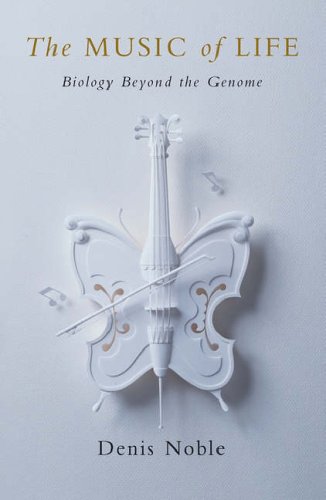
The Music of Life. 
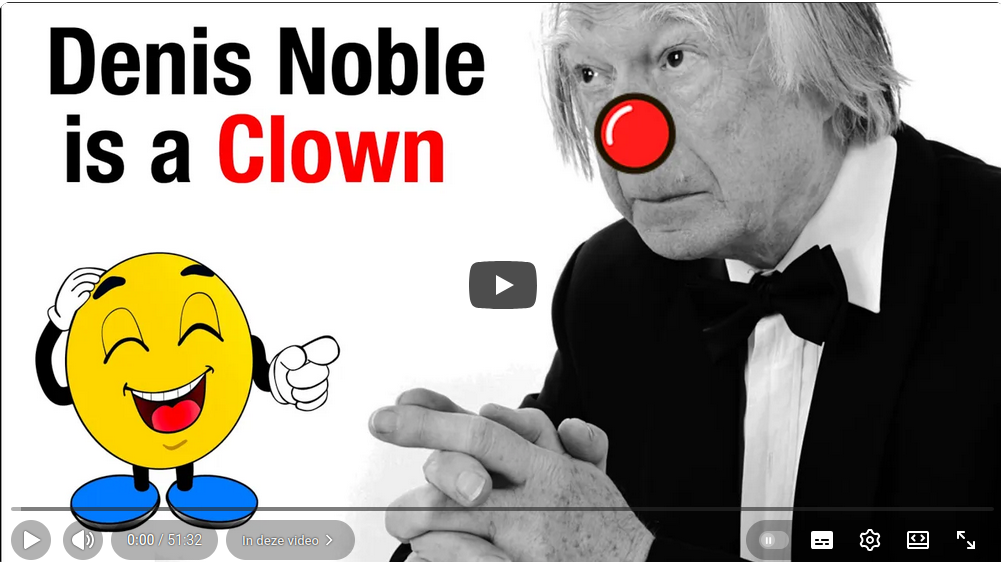
Denis Noble has been unfairly attacked. One YouTuber, 'professor Dave', called Noble 'a clown' [1]. Evidently, attacking a person rather than his theory is always wrong. One of Noble's books, The Music of Life. Biology Beyond the Genome [2], contains very valuable insights about problems of DNA-centrism. Noble has gone too far in later books, but it would be foolish to ignore the very valuable insights about DNA-centrism and 'the selfish gene' in this 2006 book. Here I give a summary of his insights. His insights are in agreement with ideas in my previous blog posts about DNA-centrism [3], [4] and some of his ideas are a useful addition to my ideas.

The amazing thing is that Noble's criticism doesn't contain controversial facts. His facts are all mainstream scientific facts. The facts are not the problem. It is just that the views about the precise role of DNA in organisms in mainstream science literature is an inaccurate description of what is really going on in a cell. Noble doesn't deny the importance of DNA. It is the routine mainstream science writing about DNA that is wrong. The way mainstream science writes about DNA is based on a bad habit that crept unnoticed into the literature after the discovery of the structure of DNA in 1953, and culminated in Richard Dawkins' The Selfish Gene in 1976. 

The book The Music of Life is about systems biology. It is about putting together rather than taking apart, integration rather than reduction. DNA is important, but is not 'the control centre of the cell'. The genome is not a privileged level of causality in biological systems. The genome is on a 'lower' level than the cell. The cell or the organism is 'the system'. The genome is part of the cell, and the cell is part of the organism. The genome only functions within a system. Reducing the cell to its genome is reductionism. Reductionism as a method to discover the parts of a system is necessary and should not be replaced by anything else. The system level must be built on successful reduction. 

According to Noble, DNA as a biological molecule does not do much. The real players are the proteins. DNA is in comparison rather passive. (How could a passive part control anything?). I think that Noble's statement:

'the cell reads the DNA code'

could be called 'the central dogma of systems biology or cell biology'. This statement must be printed in a bold, large font in every biology and evolution textbook. It is a perfect antidote to the DNA-centric worldview. Here, the cell is the active part. The cell is the system. From this principle, it follows that we must describe the genome as a database (or an archivelibrarytoolbox, memory ) that is transmitted to the next generation, rather than a 'program' that creates organisms. How could a database with protein-coding genes create an organism? There must be an organizing principle. Something has to choose which genes are to be read in which cells (in a multicellular organism like us). Our worldview influences how we describe what happens in a cell. So, the language we use to describe DNA is important. The language that scientists use, reveals the underlying worldview: DNA-centric or cell-centric.

Richard Dawkins: The Selfish Gene

That is in particular true for expressions such as 'The Selfish Gene'. The way Noble analyses 'The Selfish Gene' idea is enlightening and new to me. 'The Selfish Gene' idea is in fact not a scientific theory at all, Noble says. No empirical test could possibly distinguish between 'selfish genes' and the opposite view  'genes as prisoners'. The genes are prisoners because they are trapped in huge colonies locked inside highly intelligent beings [5]. They are inside you and me; we are the system that allows their code to be read. The selfish genes do not create us, body and soul. Their preservation is totally dependent on our efforts to reproduce. We are the ultimate rationale for their existence. Additionally, Noble mentions that Dawkins agrees with him that the 'selfish gene' idea is not a scientifically testable hypothesis. I didn't realize that. Despite the fact that the selfish gene metaphor is not a scientific hypothesis, it continues to influence scientific research, thinking and writing. However, if it is an arbitrary view, then it doesn't deserve to be the standard view in biology and evolution. Noble presents us with an eye-opening alternative view.


Evaluation

I think, contrary to Noble, that there is a fact that can distinguish between the DNA-centric and cell centric view. That fact is that DNA as a molecule is passive. How could a passive molecule create you and me? A molecule that for every 'action', such as transcription, replication, recombination, repair or whatever, requires enzymes  [6]. In my view, this fact contradicts Dawkins' selfish gene view, because that view implicitly claims that genes actively control the actions of the organism. To be precise Dawkins says: we are robots obeying the commands of the selfish genes. I consider that claim as falsified. A database cannot dictate anything. Consequently, a theory of how an individual is created from a fertilized egg is far from complete by summing up all the necessary protein-coding and regulatory genes in the genome. The genes in our genome are an inventory that is necessary, but far from sufficient. Question: how do thousands of individual protein-coding genes and proteins create an individual? [7]. These are fundamental questions in biology which tend to be ignored by the standard gene-centric selfish gene account.

In several chapters, Noble elaborates the Systems view of the cell. It amounts to highlighting forgotten, uncontroversial facts. It certainly is worth reading, but I can not discuss it in this blog. My thoughts are this: molecular genetics after 1953 became a huge success, mainly because the discovery of DNA sequencing made it possible to identify genes and determine the fine-structure of genes. Additionally, genes can be experimentally modified, silenced and deleted. That enabled the determination of the functions of many genes. Furthermore, the expression of genes, even a large number of genes at the same time, could be detected. Undeniably, that is scientific progress. However, all these methods, taken together, strongly suggest that genes control everything: the development and daily running of the organism. Yes, genes are involved in almost everything, but strictly speaking, they do not control everything. The most fundamental and difficult question in biology remains unanswered: 
 
How do 25,000 protein-coding genes and proteins
 create an individual? [7]. 
 
How is that regulated? Who or what does orchestrate all this? There is more to organisms than DNA, genes, gene expression and protein synthesis alone.


Denis Noble is not a clown!

Professor Dave Explains: Denis Noble is a clown [1]

Contrary to what 'Professor Dave' claims: Denis Noble is not a clown! Don't let the loudmouths scare you away from reading The Music of Life and benefit from his insights. He is a serious and intelligent scientist. Don't be distracted by statements he made later in life.


Notes

  1. Professor Dave Explains: Denis Noble is a Clown 22 May 2025 is a video fiercely attacking the person Denis Noble.
  2. Denis Noble (2006) The Music of Life. Biology Beyond the Genome. In this review I use words and expressions from Noble's book to describe his position without giving page numbers. 
  3. Gene-centrism is bad biology. Here is why. my blog 17 December 2025
  4. What is DNA-centrism? Why is it wrong? my blog 10 November 2025  
  5. 'genes as prisoners' locked inside the nucleus of a cell: to me, it looks similar to the mitochondria which are also locked up in the cell and are completely depended on the host cell! Nice!
  6. The only 'exception' is self-splicing RNA. But RNA is not DNA, furthermore, RNA is the product of a transcription process that uses enzymes. 
  7. "one of the great unsolved mysteries of biology for nearly two centuries" from: Sean B. Carroll (2005) Endless Forms Most Beautiful (2005), page x Preface. I will return to interesting examples of Carroll's DNA-centric language.

02 August 2025

Senapathy algorithm undermines his own theory of independent birth of organisms in the primordial pond

In his Wikipedia article Periannan Senapathy, paragraph 'Origin of split genes from random DNA sequences', he explains why eukaryotic genes have a split structure or an exon - intron structure. His explanation is: genes and genomes with this structure originated from random DNA sequences in the Primordial Pond. 

The structure of a split gene: exon-intron
Exons (blue) are the protein coding parts of a gene,
introns are the non-coding parts which are removed,
the combined exons produce the protein

The problem with this explanation is: if a hypothetical gene has a random sequence than everything from begin to end is random, including the supposed 'exon-intron' boundaries. Since a gene is a continuous sequence of the bases A, T, C, G, how do you know where an exon ends and an intron starts? Introns have to be recognized somehow in order to get removed. In all animals and plants with split genes (eukaryotes) recognition is achieved by special splice site recognition sequences which are located at the beginning and end of each intron. In fact those sites define introns. And by implication they define beginning and end of exons too (see illustration). Without those special sites, exons and introns cannot be distinguished. In Senapathy's scenario of independent birth of all plants and animals, both exons and introns are by definition random sequences anyway. My point is that these boundaries are specific and therefore non-random [1], [2]. Consequently, there is no way that these non-random splice sites occur in random DNA at the right locations [3]. Impossible. 

Think about this: human genes contain on average 8 introns, that is 16 splice sites per gene. Since humans have about 25,000 genes, there are about 400,000 splice sites. A few could occur by chance, but not 400,000. 

My argument can be summarized in one sentence: 

  • Either a sequence is random, and then there can be no well-defined splice recognition sites, and thus no exons and introns 
  • or there are splice recognition sites, and exons and introns, but then the sequence is not random any more.

I discovered additional evidence in Senapathy (1987) [2]: 

"A sequence of eight nucleotides is highly conserved at the boundary between an exon and an intron (...) The boundary between an intron and an exon also exhibits a highly conserved sequence of 4 nucleotides, preceded by a pyrimidine-rich region." 

So, he knows that these are non-random sequences. The rest could have been random, but not those specific sequences. He should have concluded that the exon-intron structure of eukaryotic genes cannot arise from random DNA. The same holds for genomes. And the same holds for the organisms themselves. The inescapable and final conclusion is that the origin of eukaryotes (all plants and animals) cannot be explained by random DNA. Sorry, there is no escape from this conclusion. Unfortunately,  Senapathy failed to explain the origin of life. His Primordial Pond will not be and can not be the birthplace of eukaryotes, plants and animals. Under the most favourable conditions, his Primordial Pond will only contain dead and meaningless random DNA molecules. If he is lucky, it will produce a lot of dead and meaningless random DNA. But nothing more. It is a primordial soup, and it stays that way forever because there is no evolution in his scenario. His primordial pond will not bring forth life.

Ironically, the very existence of his Shapiro–Senapathy algorithm undermines his own theory of Independent birth of organisms from random DNA sequences. For example, on his Wikipedia page he writes:

"The Shapiro–Senapathy algorithm has been used to determine the various aberrant splicing mechanisms in genes due to deleterious mutations in the splice sites, which cause numerous diseases." (accessed 7 Aug 2025)

He lists 6 cases where a single base substitution (point mutation) in an intron splice site causes a disease (cancer). Now, if a single base substitution causes disease, it means that splice sites are highly specific. If they are highly specific, then they can't be random. Yes, a few splice sites could arise in random DNA, but not 400,000 (see above).


Notes

  1. "A splice site defines the boundary between a coding exon and a non-coding intron in eukaryotic genes." quote from Wikipedia article: Shapiro–Senapathy algorithm (This page was last edited on 28 July 2025, at 14:35 (UTC).) 
  2. M. B. Shapiro, P. Senapathy (1987) RNA splice junctions of different classes of eukaryotes: sequence statistics and functional implications in gene expression, Nucleic Acids Res 1987. This publication appeared 7 years before his 1994 book.
  3. Yes: START and STOP codons are non-random, too. They do appear with reasonable frequencies in random sequences. But splice sites have a minimum length of 8 and 4 bases (12 together) and occur in a much lower frequency in random DNA. Confusingly, any non-random sequence can occur in a random sequence if the sequence is long enough. Your password can appear in a random sequence! It's all about probability and frequencies. For genes, the task is to calculate the probability of the combination of: Start codon + Stop codon + splice site begin codon + splice site end codon. [10 Aug 2025] There is more: there has to be splicing machinery (proteins) that recognizes these splice sites. Otherwise, splice sites would be meaningless. [15 Aug 2025]

updated 16 Aug 2025

 Sources

  • Wikipedia article Periannan Senapathy (last edited 16 July 2025)
  • Wikipedia article Shapiro–Senapathy algorithm (last edited 28 July 2025)
  • Wikipedia article Split gene theory (these three Wikipedia articles are written by Senapathy supporters or by himself and give the false impression of being mainstream science and omitting any criticism)
  • Gert Korthof What's Wrong with Independent Birth of Organisms? (this is my criticism of Senapathy's theory)
  • Periannan Senapathy (1994) 'Independent Birth of Organisms. A New Theory That Distinct Organisms Arose Independently From The Primordial Pond Showing That Evolutionary Theories Are Fundamentally Incorrect'. (now more than 30 years old, the book is still available at amazon).

Previous blog posts related to Senapathy

    10 April 2025

    Big disappointment: KOBO ebook doesn't display figures and tables correctly

    The Evolution of Imperfection

    I have now 153 (non-fiction) e-books on my ten years old KOBO Auro HD reader. I never encountered problems with reading any of the books on it. A few days ago I bought Laurence D. Hurst (2025) 'The Evolution of Imperfection'. For the first time I discovered annoying problems with displaying content. In my e-reader a graph (Figure 6.1) is either displayed in an extremely small and consequently non readable size or is not displayed at all depending on the font size settings. 

    To check whether this fault is specific to the e-reader, I checked the display in the online KOBO browser application. Unexpectedly, Figure 6.1 in chapter 6 refused to show up with any font size or page setting. A large table, Table 6.1, is only visible and readable at specific settings, but is truncated at more comfortable bigger font sizes.


    Empty space where fig 6.1 should show up (browser)

    However, the graph is definitely present in the e-book:

    Display of the page in the e-book reader

    As can be seen in the above picture, although the graph is displayed, and the caption is readable, the graph itself is so small that labels cannot  be read. This makes the illustration useless. This is not the only illustration that gives troubles For example, Figure 2.1, 2.2, 4.1, 5.1, 5.2 and 6.2 are also absent in the browser or too small in the e-reader. This is very annoying. The problem is that the illustrations don't scale with font size. The font size can be huge while the illustration is still microscopic. 

    In a scientific book graphs and tables are essential. They are included for a good reason: they convey information. So, the book is kind of damaged and should not be sold in this condition. These errors make you think twice before buying a scientific e-book. The problem is of course that you don't know in advance.

    This is not the only KOBO e-book that fails:

    from: Donald Canfield: Oxygen: A Four Billion Year History,
    chapter 6. The early history of atmospheric oxygen: biological evidence
    Plate 5.

    " To view this image, please refer to the print version of this book."

    In this case, readers of the e-book readers are kindly requested
    to buy the printed version of the book! I must admit that after discovering these unpleasant surprises, I haven't bought a single new e-book.

    Has anybody experienced similar problems? For example with the Amazon Kindle e-reader or browser?


    update 5 May: Figure 6.2 added.

    update 3 Oct 2025: Plate 5 added.

    11 February 2025

    My top 20 evolution books. 12 February 2025

    Darwin Day 12 February 2025

    Last year population geneticist Zach Hancock made a video 10 most influential papers on evolution. His list is a personal list and reflects his areas of research: Population Genetics and Molecular Evolution. Although this covers a large part of what is called 'Evolutionary Biology' today, my own list would be significantly different. However, I hadn't made such a list yet. When a visitor of my website asked whether I could produce  my own top-20 books, I decided that after 20 years of devouring books that have 'evolution' or 'Darwin' in the title, it was about time!

    Surprise: this requires some additional thinking! What are the most important books? Choices have to be made. Perhaps the biggest difference with Hancock's list and with many of the popular evolution textbooks is that I have sought to include books that place evolution in its planetary and cosmological context. Life happens on a planet, so this fact must show up in the evolution textbooks. Practically speaking, Evolutionary biology textbooks are aimed at biology students preparing for a job in biological research, mostly lab research, sometimes field work. Evolutionary biology has become a specialized field separated from related scientific disciplines such as ecology, geology, paleontology, climatology, cosmology and Earth System Science. But all these disciplinary borders are created for practical purposes only. Nature does not know these borders. They are artificial. They are created by humans [1].

    An Evolution textbook should discuss questions such as: Why is the Earth a habitable planet? What are the necessary conditions? How likely is the origin of a planet suitable for life? (introducing astrobiology and Earth systems science). Does a habitable planet require a moon? Is a solar system like ours inevitable? Is a planet with oceans and continents necessary for complex life? Could complex life originate on a planet with only oceans or only continents? Does life require a geologically active planet with continental drift and vulcanism? Do we need a planet that is rotating around/on its axis? a tilted axis? an orbital period of one year? Does the earth have the right size for life or could it be significantly smaller or larger? What about the composition of the atmosphere? Assuming the Periodic Table of Elements, how many chemical elements are necessary for life? How likely is it that they are present on a planet in the right proportions? 

    Which features of life are universal and which are earth-bound? Is the origin of life on the earth inevitable? Is life necessarily a far-from-equilibrium system? Is life necessarily cellular? Why DNA? Is DNA the only possible carrier of hereditary information? Why proteins? Is the DNA-protein system the only possible form of life? Could proteins be replaced with RNA? Why exactly this genetic code? Are there alternative genetic codes possible? Is the genetic code a 'frozen accident' or is it necessary or both? Is the genetic code earth-bound or truly universal? Is the universal genetic code the main proof of common descent of all life on earth? Is photosynthesis a necessary precondition for the evolution of animal life? Is the autotroph-heterotroph system necessary for the evolution of complex life? Is oxygen necessary for any form of life on any planet? What is the likelihood that life on earth has existed uninterrupted for 3,5 billion years without going extinct? Why did it take so long for life to invent multi-cellularity? Is multicellularity the most difficult transition in evolution? Is the soma-germline distinction (Weizmann) necessary for complex life? 

    Must complex life necessarily be of the haploid-diploid system? Or could complex life be haploid? Could multicellular complex life be prokaryotic? Is Mendelian heredity necessary for complex life? Is sex necessary? Must human reproduction necessarily be of the male-female type or could our species be completely hermaphroditic? (either partner can act as the female or male). Is the prokaryote-eukaryote dichotomy necessary or could there be intermediates? Is complex life dependent on endosymbiosis? Or could evolution have developed alternatives for the energy production by our endosymbiotic mitochondria? Does the human species need exactly 46 chromosomes? Do humans require 25,000 protein-coding genes? Do we require 3.1 billion base pairs in our genome? Why do we have so much junk DNA? Are there alternatives for all these features? Combining the probability of all events in the history of the Earth, is the origin of 'intelligent life' inevitable? Does evolution need millions or billions of species in order to be able to create humans? Is natural selection, that is the differential reproduction of heritable variants, the only way to create (complex) life? Must 'intelligent life' necessarily be a warm-blooded mammal with internal fertilization and gestation?

    Ideally, evolutionary biology textbooks should discuss these questions to inspire the students, to stimulate the imagination, to ask exciting new questions and to make evolution an attractive study. Furthermore, both biology students and evolution doubters alike must be confronted with the fact that 'Darwin' and 'evolution' stand for evolutionary processes lasting 4.5 billion years on planet Earth. That planet is part of a planetary system which itself has a history. And that this planetary system itself is part of a universe which itself has a history. So, Darwin-doubters and evolution-deniers should be made aware that the theory of evolution is not an isolated biological theory that could be denied or replaced without consequences for the rest of the scientific knowledge. Textbooks should not make the same error of teaching evolution in isolation.

    "There is grandeur in this view of life,
    with its several powers, having been originally breathed
    into a few forms or into one; and that,
    whilst this planet has gone cycling
    on according to the fixed law of gravity,
    from so simple a beginning
    endless forms most beautiful and most wonderful
    have been, and are being, evolved
    ."
    Charles Darwin

    Surely, evolution textbooks are intended to prepare students for a research job in a biology department. Laboratory science is based on isolating organisms from the environment and from the whole earth system. But that is not a good reason for textbook authors to neglect the way in which evolution is connected with the earth as a system (geosphere, hydrosphere, atmosphere). The history of our planet shows that there were many geological disasters, resulting in several large extinctions, despite the fact that there is a continuous line of descent from the first forms of life to our own species. Students can not understand evolution if they don't understand why the earth is a habitable planet. Yes, in practice researchers have to specialize, they can't be allround scientists, but biology students should learn the essentials of the whole system. You can't have a scientifically correct worldview if it is restricted by the borders of your own scientific discipline. My choice of books is based on these criteria. A textbook that meets all these criteria doesn't exist, but taken together the following books come close to the perfect evolution textbook. 

    1. John Maynard Smith & Eörs Szathmáry (1999) The Origins of Life. From the Birth of Life to the Origin of Language (review) is a popular version of The Major Transitions in Evolution (1995). The authors are authorities in the field of evolutionary biology and write in a logical and factual style. They focus on the central and often unsolved problems in evolutionary theory and discuss them in a way understandable for the non-professional reader. A really unique achievement.
    2. Jerry A. Coyne (2009) Why Evolution Is True. Besides the textbooks, we need a book that focuses on the evidence for evolution without the all technical details present in a standard evolution textbook. I hope an updated edition will be published including a separate chapter about common descent.
    3. Sean Carroll (2005) Endless Forms Most Beautiful. The New Science of Evo Devo and the Making of the Animal Kingdom. A beautifully illustrated popular exposition of Evo-Devo. Animal development is under genetic control, and genetic modifications of the Evo Devo genes create all animal diversity. Evo Devo is more than just the latest addition to the Evolutionary Synthesis, it is the core of evolution. If you find a textbook intimidating, than study this book and you have a deep insight in how evolution works! After rereading it, I promoted this book from position #17 to #3. 21 Jan 2026 [3]. See also: (2001, 2004) From DNA to Diversity. Molecular Genetics and the Evolution of Animal Design
    4. S J Gould (2002) The Structure of Evolutionary Theory(review). Not many people will want to read this intimidating book from page 1 to page 1433, but what he wrote about the logical structure of evolutionary theory is very useful (chapter 1,2,7).
    5. Brian K. Hall and Benedikt Hallgrímsson (2008) Strickberger's Evolution, Fourth Edition and Fifth edition 2013. This textbook includes the planetary context and geological timescales. Compare with Stearns and Hoekstra below. Compare this with other textbooks on my Introduction page.
    6. Mark Ridley (2000) Mendel's Demon. (review). A popular and educational account of the fact and consequences of the eukaryotic merger, uni-parental inheritance of mitochondria, Mendelian inheritance, sexual reproduction, error threshold, mutational meltdown. These are the unsolved problems at the frontiers of evolutionary biology. More important than Dawkins' The Selfish Gene (sorry!).
    7. Nick Lane (2002) Oxygen. The Molecule that made the World. (blog). This work was an eye-opener for me. According to Lane, Oxygen made the existence of complex animals possible. More than that: he shows how life itself created a habitable planet. Absolutely crucial. Lane connects evolution, geology and biochemistry. Oxygen is a prime example of niche construction on a planetary scale. Amazingly, this fact is not reflected in the evolution textbooks. Quotes: "Viewing evolution through the prism of oxygen gives us some surprising perspectives on our lives and deaths. If water is the foundation of life, then oxygen is its engine. Without oxygen, life on Earth would never have got beyond a slime in the oceans, and the Earth would probably have ended its days in the sterility of Mars or Venus." p.340. "Oxygenic photosynthesis only ever evolved once" (p.145).
    8. James Lovelock (1988) The Ages of Gaia. A Biography of our Living Earth. (review). Lovelock is important because he pointed out that the atmosphere of a planet harboring life is in a chemical disequilibrium. This is a signature of the presence of life on any planet. Again: one cannot have full understanding of evolution without its planetary context. Darwin didn't know this. Now, we do know. It's time this fact is included in the textbooks.
    9. Lynn Margulis (2002) Acquiring Genomes. A theory of the origins of species (review). Margulis deserved the Nobel Prize for the theory of eukaryotic endosymbiosis. A revolution in biology. She is often ignored in the textbooks because of her criticism of neo-Darwinism. See my blog What exactly did Lynn Margulis contribute to science? and my review of her book Acquiring Genomes. A theory of the origins of species (updated 23 March)
    10. F. John Odling-Smee (2003) Niche construction. The neglected process in evolution (review). The reality of niche construction is undeniable. One can disagree about the extent, but not about its existence. Organisms do not passively adapt to their environments. Niche construction ought to be discussed in the evolution textbooks. Compare with Dawkins Extended Phenotype.
    11. Stuart Kauffman (1995) At Home in the Universe (review). This theoretical biologist had a huge impact on my thinking. This book was published 30 years ago, but still important. Kauffman developed a theory about life and the origin of life build on first principles (auto-catalysis). He is a critic of the gene- and DNA-centered worldview of Neo-Darwinism.
    12. Kevin W. Plaxco, Michael Gross (2006) Astrobiology: A Brief Introduction. The emphasis is on the 'biology' part of astro-biology. Putting life in its planetary and cosmic context. The best popular introduction with the proper amount of detail.
    13. Paul Davies (1999) The Fifth Miracle. The Search for the Origin and Meaning of Life. Important chapter 'Against the tide" (chapter 2): "One of the principal ways in which life distinguishes itself from the rest of nature is its remarkable ability to go "against the tide" and create order out of chaos". Chapter 4: 'The message in the Machine' contains a superb explanation of the fundamental concepts "order", "organization", "entropy", "chance", "randomness", "information", "complexity". Particularly his insightful explanation of what it means that genomes contain information. Davies explains life in a way no biologist could have done.
    14. Tim Lenton (2016) Earth System Science: A Very Short Introduction. Recommended introduction. Earth system science must be included in the evolution textbooks simply in order to understand why the earth has been a habitable planet for billions of years.
    15. Stephen Stearns, Rolf Hoekstra (2005) Evolution. Second edition. I include this evolution textbook (now 20 years old) because of the treatment of 'The history of life' (83 pages) including a chapter 'Key events in evolution' and 'Major events in the geological theater'. Unfortunately no new edition has been published. Compare this with other textbooks on my Introduction page.
    16. Ernst Mayr (1982) The Growth of Biological Thought. A conceptual and historical overview of Darwinism by one of the founders of neo-Darwinism. Very rich in content and complete. I learned a lot from this book. Very important is his identification of Darwin's Five Theories (page 505-510). A shorter version of this work is: One Long Argument. Charles Darwin and the Genesis of Modern Evolutionary Thought (1991).
    17. Tibor Gánti (2003) The Principles of Life with commentary by James Griesemer & Eörs Szathmáry (review). His definition of life is superior. Based on first principles. Withstood the test of time. A standard by which all other definitions must be compared. It continues to have a fundamental influence on my thinking on what 'life' is and how the problem of the origin of life must be approached.
    18. Johnjoe McFadden (2021) Life Is Simple: How Occam's Razor Set Science Free and Shapes the Universe. Not about evolution. An illuminating history of science viewed from Occam's perspective. In a sense, Occam started the scientific revolution in the 14th century. Original. Very well written. A rewarding and entertaining read.
    19. Edward Dolnick (2017) The Seeds of Life. (blog in Dutch). Evolution cannot be understood without a good understanding of sexual reproduction. The struggle to eliminate stubborn misconceptions about sex. What are the contributions of males and females to the next generation?
    20. David Sedley (2008) Creationism and its Critics in Antiquity (review). Greek philosopher Epicurus was opposed to creationism and advanced a non-creationist explanation of adaptation. Paley argued against this Epicurean explanation. Darwin argued against Paley and strongly improved the Epicurean argument. Darwin in his historical and philosophical context.


    Update: I promoted Sean Carroll Endless Forms from #17 to #3 after rereading it. [21 Jan 2026

    Disclaimer: when a book is not on this list, it certainly doesn't mean it is unimportant! Very probably, it is on the Introduction page of my WDW website. If not, please leave a comment!

    Finally, some books have wrong ideas, but nonetheless, or just because of that, stimulated my thinking. Two of them are: 

    Periannan Senapathy (1994) Independent Birth of Organisms. A New Theory That Distinct Organisms Arose Independently From The Primordial Pond Showing That Evolutionary Theories Are Fundamentally Incorrect (review). This is a non-creationist argument against evolution and Darwinism. It is the ultimate DNA-centric view of life and the origin of life [1]. This book is wrong in unsuspected ways. Many problems are easy to find.  But, it took me many years to see 'the elephant in the room' and formulate the most decisive argument against this theory. While unraveling the tangle of the facts and his arguments, I gained fundamental insights about the DNA-centric view of life, the origin of life and evolution in general. It showed me the best reasons why we need a theory of evolution!     

    Michael Behe (1996) Darwin's Black Box. (review). Now nearly 30 years old. Michael Behe has been crucified over and over by the scientific community because he believes in 'Intelligent design'. However, ID can safely be rejected without rejecting the idea of irreducible complexity as a potential falsifier of Darwinian gradualness.  'Irreducible Complexity' is still an interesting potential falsifier of the theory of evolution by natural selection. According to Karl Popper, falsifiability is a requirement for a proper scientific theory. 'Irreducible Complexity' highlights the fact the Darwinian gradualness has its challenges, which must be taken seriously. It stimulated research in to seemingly irreducible complex biological systems in fruitful way and increased our understanding of evolution.


    Notes

    1. "...if we want to create a synthesis, we must understand that evolution is not something that pertains exclusively to biology, but rather to all domains of reality. Nature knows nothing about disciplines." David Obon (2024) Evolution: the invention of creativity: a new unifying vision.
    2. Craig Venter made in essence the same mistake as Senapathy. See also: František Baluška, Guenther Witzany (2014) Life is more than a computer running DNA softwareWorld J Biol Chem. (I think the authors didn't bring up the most important objection).
    3. I gave this book a higher position in the list: from position #17 to #3 after rereading it. Try to get the original hardback because the risk of an eBook is that the color plates are omitted or trashed! They are essential! 21 Jan 2026.